Grasping the Purpose of an Arborist: Important Services for Tree Health and Management
An tree specialist is indispensable for sustaining tree well-being and durability. These experts utilize specialized knowledge to assess trees and create customized care strategies. This covers pruning, detecting diseases, and controlling soil quality. Tree care professionals play a important role in promoting sustainable growth. Their skill set pertinent information not only boosts the aesthetic value of landscapes but also promotes ecological health. Knowing their essential functions can highlight the critical impact they have on city and country environments alike.
The Significance of Arborists in Tree Care
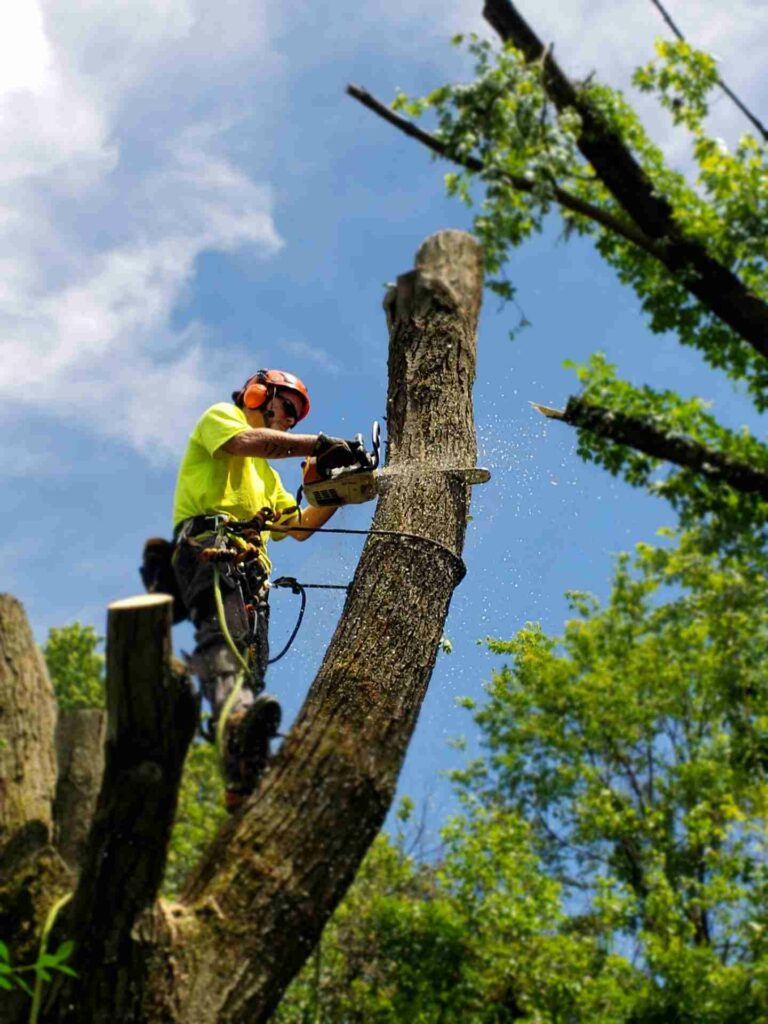
While many property owners may overlook the role of arborists, their expertise is essential for maintaining tree vitality and long life. Arborists are skilled practitioners who focus on the health and maintenance of trees. Arborists have in-depth expertise of tree biology, diseases, and environmental elements affecting development. By examining tree health, arborists can identify potential issues, such as pest problems to nutrient deficiencies.
Their work cover a number of critical tasks, including soil management, tree evaluations, and overall maintenance plans. Tree care experts also play a significant role in making sure trees are planted in appropriate locations, taking into account factors such as sunlight, drainage, and space for growth. Their guidance allows homeowners make informed choices that encourage sustainable tree growth. By utilizing arborist care, homeowners not only improve the beauty of their landscapes but also contribute to the ecological well-being of their environment, ensuring trees thrive for a long time.
Crucial Tree Pruning Methods
Proper tree pruning techniques are vital for keeping healthy and robust trees. Tree specialists employ various methods to strengthen tree structure, encourage growth, and eliminate dead or diseased branches. One basic technique is crown reduction, which involves selectively cutting back branches to boost light penetration and air circulation. A further significant technique is crown lifting, where the lowest boughs are removed to increase ground clearance and sightlines. In addition, the practice of reducing the crown reduces the size of a tree’s canopy, minimizing stress while preserving its form.
Timing is also essential; cutting back is generally most effective during dormancy in the late winter or early spring months. This limits the amount of sap leakage and promotes robust development. Arborists suggest utilizing sharp, clean tools to create clean incisions, which assists in avoiding damage to the tree. Ultimately, these vital techniques don't just boost visual attractiveness but also substantially aid the tree's overall health and lifespan.
Planting and Transplanting Trees
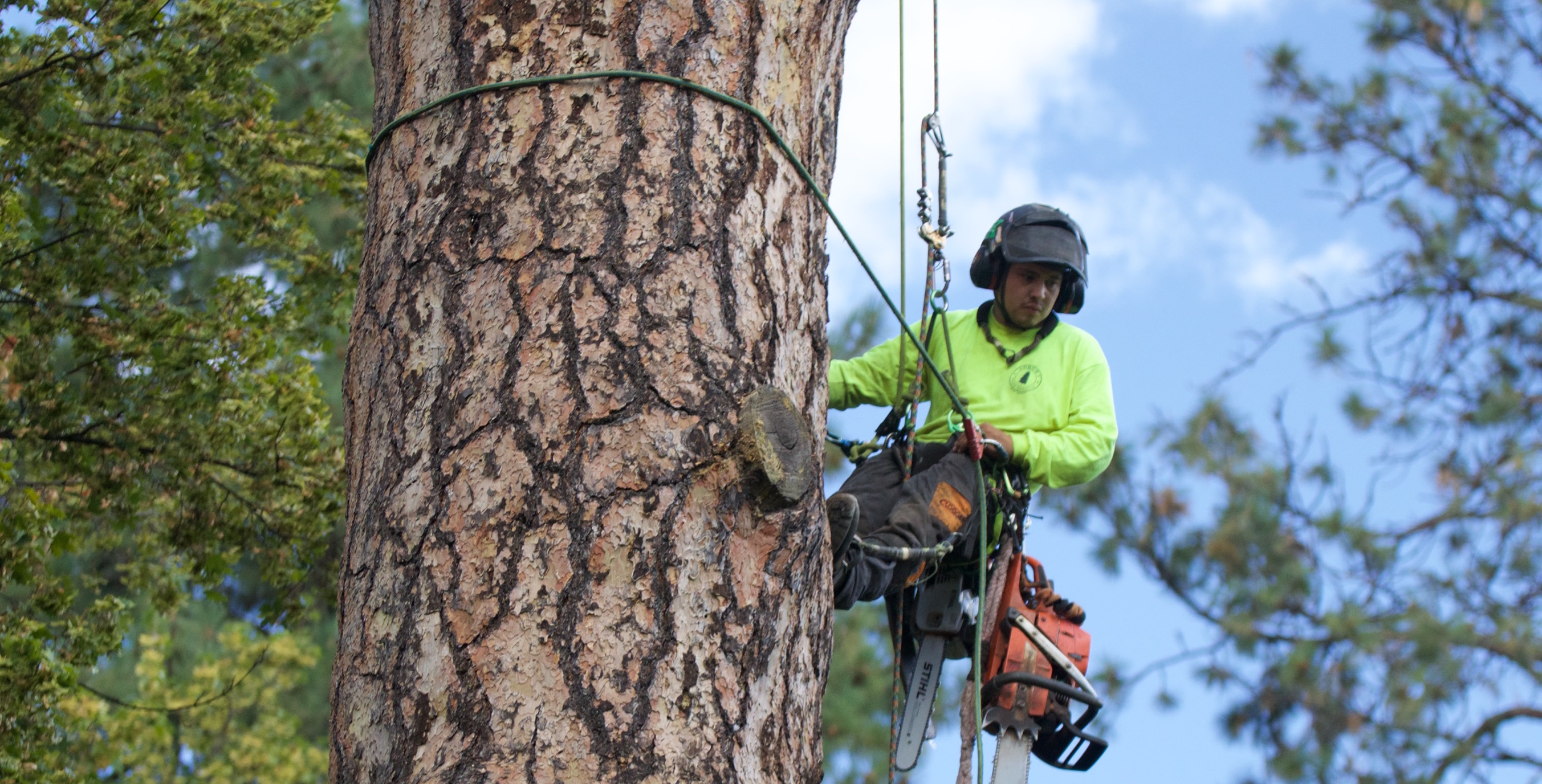
When planning the introduction of new trees, correct methods for planting and moving trees are essential for ensuring their successful growth and fitting into the surrounding area. Arborists stress the necessity of choosing the correct type of tree for the specific setting, as well as properly readying the hole for planting. The hole should be wide enough to allow space for the roots, facilitating natural root spread and oxygen exchange
When transplanting, care must be taken to limit damage to the root system, which may impede the tree's capacity to become rooted in the new location. Arborists advise moving trees during the winter rest period to lower the impact on the tree
(Florence Arborist)After planting or relocation, proper watering and mulching are necessary to facilitate the tree's settling in. Arborists also advise monitoring the tree’s growth and modifying maintenance routines as needed to guarantee a healthy shift into the surrounding environment, which helps create a thriving landscape
Identifying Tree Illnesses and Infestations
How do you successfully spot the signs of tree diseases and pests? Arborists utilize a keen understanding of tree biology and site conditions to determine the cause of these ailments. Symptoms such as leaves changing color, slowed development, or premature leaf drop often indicate underlying problems. In addition, the presence of unusual growths, such as galls or cankers, might suggest an illness or insect activity.
Arborists also inspect the trunk covering for lesions, holes, or frass, which may suggest insect activity. Studying the soil and the surrounding area aids in identifying factors causing stress, like bad drainage or nutrient shortages. Familiarity with seasonal trends is crucial, since specific pests emerge at specific times.
Tree Health Assessments and Upkeep Strategies
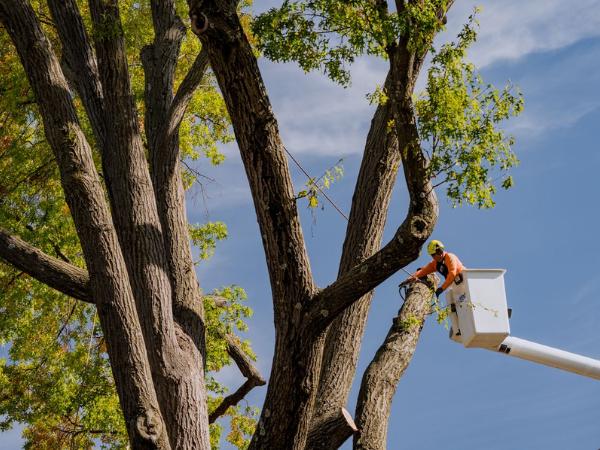
Which methods can be implemented to maintain ideal tree health? Arborists often begin with comprehensive tree health evaluations, which involve a detailed examination of the tree’s condition, covering its physical structure, canopy, and root network. This review assists in finding potential concerns such as illnesses, insects, or environmental pressures. Subsequent to the assessment, a customized care plan is developed, meeting particular requirements
Typical elements of these programs cover correct watering routines, feeding strategies, and pruning practices to boost development and hardiness - Florence Arborist. In addition, experts often advise mulching and soil management to enhance the availability of nutrients and keep the soil damp. Consistent observation is crucial, allowing for adjustments to the maintenance plan as the situation develops. By putting these techniques into practice, tree health and survival can be greatly improved, allowing them to prosper in their environment and simultaneously benefiting the entire ecosystem
The Importance of Arborists in Urban Forestry
Arborists are vital in urban forestry by overseeing and preserving the health of trees within city landscapes. Their specialized knowledge significantly adds to the environmental balance and beauty in city environments. Tree specialists participate in planting trees, making certain the selection of species is suitable according to local environmental factors and urban planning needs. They perform routine health evaluations to pinpoint illnesses, insects, and structural problems, implementing targeted treatments to boost the well-being of the trees.
In addition, arborists develop and execute maintenance plans that include cutting, nutrient application, and irrigation, optimizing tree growth and longevity. Arborists also inform residents regarding the value of trees and correct maintenance techniques. By collaborating with city planners and ecological groups, arborists contribute to sustainable urban development, encouraging varied life forms and improving air quality. Their job is essential in creating green spaces that serve both the community and the ecosystem, ultimately fostering healthier urban ecosystems.
Questions and Answers
Where Can I Locate a Professional Tree Expert in My Area?
To find a qualified tree specialist in the local area, you can look through online databases, consult local plant shops, or reach out to tree care associations. You must always check their qualifications and check feedback to ensure high-quality work.
What Qualifications Should I Look for in an Arborist?
When seeking an arborist, one should look for certifications such as ISA or ASCA, relevant experience, liability protection, and a strong track record via testimonials. This expertise guarantee professionalism and expertise in arboriculture and maintenance.
Do Seasons Matter for Tree Pruning?
Pruning trees works best during late winter or early spring when trees are dormant. However, some species do well with summer pruning. Timing depends on the tree type and individual growing habits to ensure vitality and structure.
What is the Typical Cost of Arborist Services Typically Cost?
Tree care services generally range between $300 and $1,500, influenced by things like tree size, location, and the difficulty of the job - Florence Arborist. The rates often differ greatly based on local market needs and service provider skill level
Am I Able to Do Tree Work Without Professional Help?
Yes, individuals can perform basic tree care without professional help, like watering and mulching. However, for difficult jobs, like pruning or checking for sickness, consulting a certified arborist is recommended to ensure the tree's vitality.